GLP-1s were supposed to be a breakthrough for employer health plans. For many self-funded employers, they have turned into the fastest-growing line in the pharmacy budget, with results that often fade once members stop.
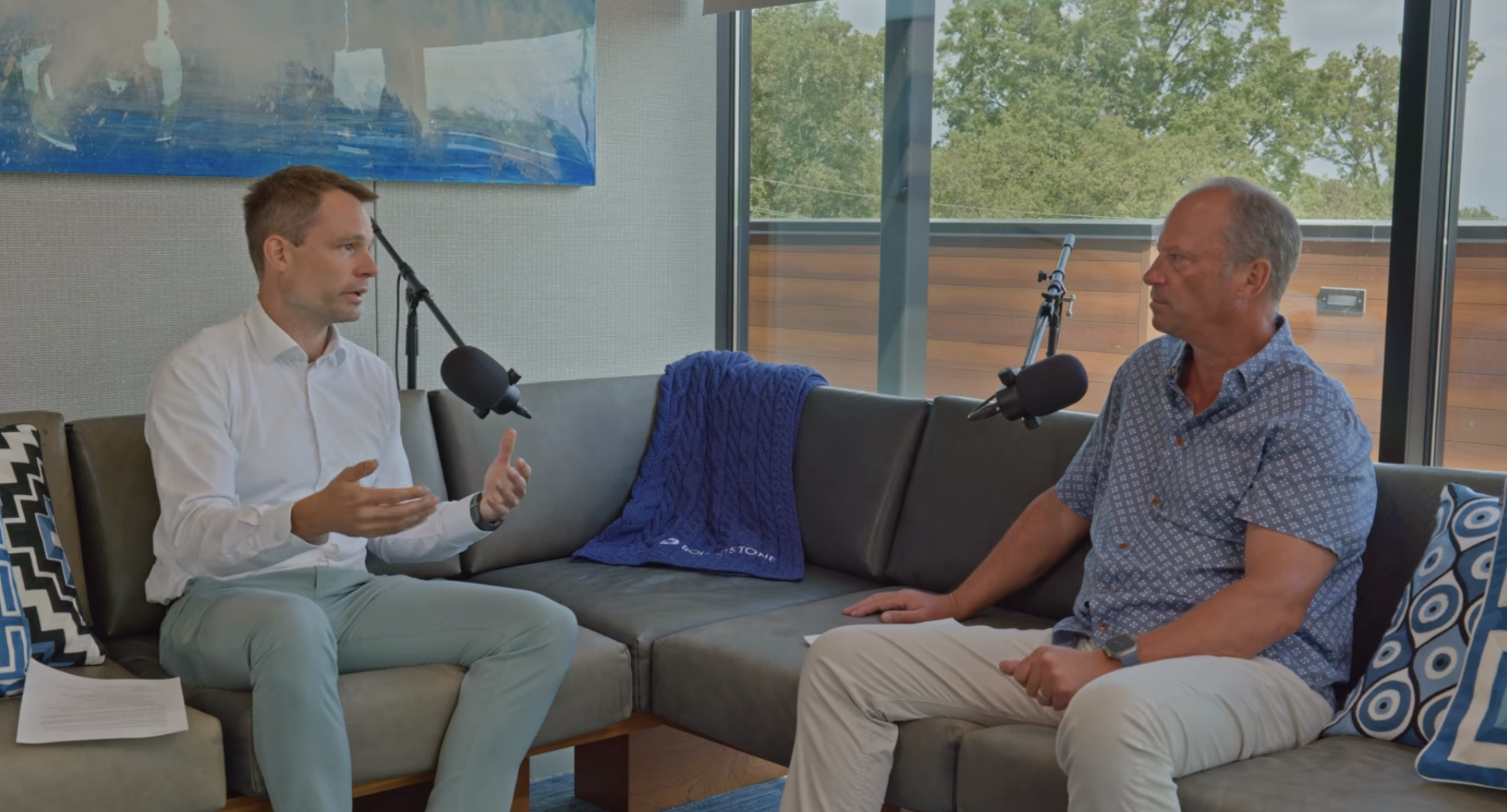
In this episode of Healthcare Forward, Roundstone's podcast, Mike Schroeder, Founder and President of Roundstone, sits down with Nicholas Syhler, co-founder and co-CEO of Embla. Before starting Embla, Nicholas was innovation lead on Ozempic at Novo Nordisk. They cover what is going wrong with GLP-1s, what using them well looks like, and what that means for a plan's costs.
Key takeaways
- Used as a quick fix, GLP-1s drive cost. Paired with real behavior change, they can drive value.
- The lowest effective dose and a planned taper bring GLP-1 spend down, without cutting off access.
- Paying only for engaged members, with medication included in the fee, moves the medication risk off the employer.
Lifestyle change became the sidekick
Nicholas starts with the problem on the consumer side. Quick prescriptions, few questions, medication shipped to the door. Lifestyle support gets mentioned, but only in passing. "Lifestyle intervention has become the sidekick to the magic pill, the magic injection," he says.
His point is that GLP-1s do one thing: they suppress appetite. When people stop, the appetite comes back. Their real value is making lifestyle change bearable. Most people get very hungry after losing the first 5 to 10 pounds, which is why so many lifestyle programs fail. A GLP-1 can carry people through that phase while new habits take hold. Used without those habits, it becomes one more diet that fails in the end.
Enough help, not all of it
That logic shapes how Embla approaches dosing. Independent licensed clinicians aim for a dose that takes the edge off hunger without removing it completely, because some hunger is what people learn to manage. "We need a little bit of help, but we don't need to remove all hunger completely," Nicholas says. A lower dose also makes it easier to come off the medication later, because there is less support to remove.
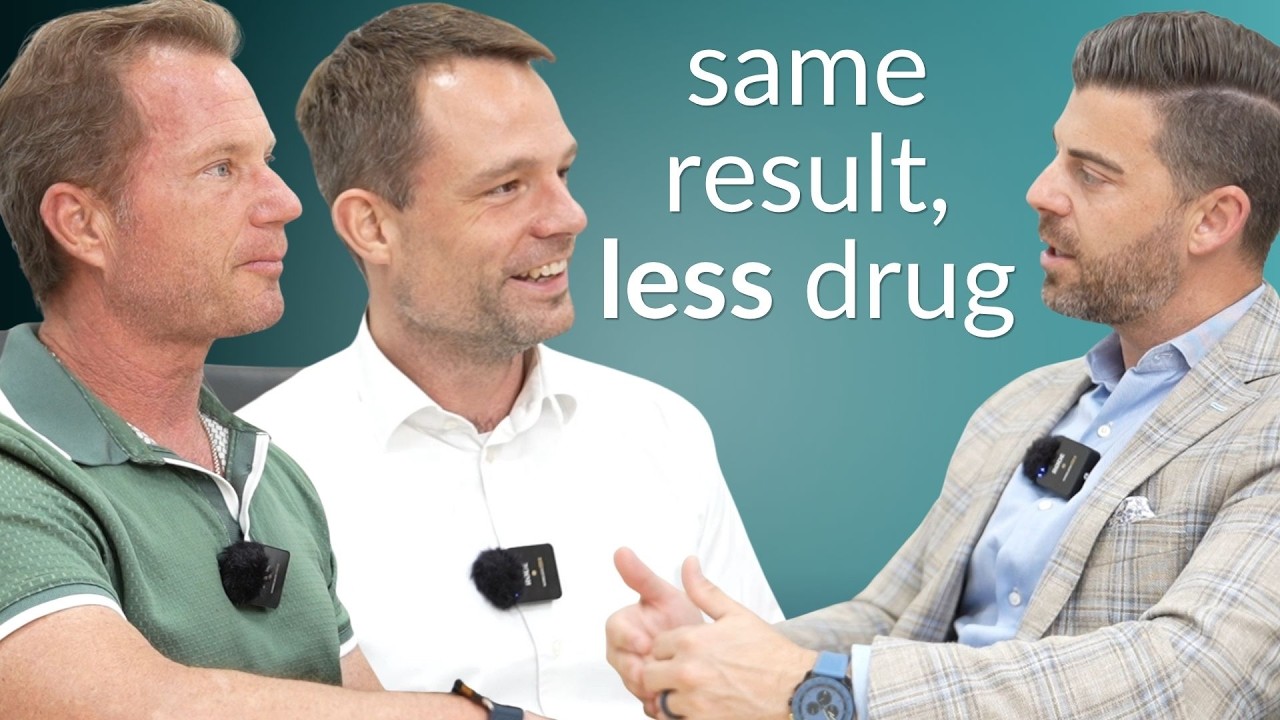
In Embla's published TRIM study, participants averaged 16.7% weight loss over 64 weeks while using 55% less GLP-1 medication. The study was published in Diabetes, Obesity and Metabolism. See the TRIM study page for the data.
Tapering is planned from the start. It begins at month 16 and runs over about 12 weeks, with coaching throughout, so members learn to handle more hunger step by step. Because weight tends to come back, monitoring and maintenance support continue after the last dose through Embla Embrace. More on how it works in our guide to GLP-1 tapering.
Coach-led, not prescription-led
Nicholas is a doctor himself, and he is blunt about what a prescription can and cannot do. A clinician can diagnose obesity and prescribe a GLP-1. A health coach can work on stress, emotional health, sleep, nutrition and movement. "GLP-1 is just one tool in that toolbox," he says.
That is why Embla is coach-led. In many plans, Embla becomes the single route to covered GLP-1s, and covered access depends on staying engaged in the program. Nicholas calls that the stick. The carrot is the coaching itself: members expect a strict diet and instead get someone asking what is causing their stress. Over time, the goal shifts from losing weight to feeling better, and that is what keeps people engaged.
AI plays a supporting role. The experience is human first, with real coaches and clinicians, and AI is used behind that to personalize daily prompts in the app based on what each member is working on.
From cost driver to value driver
Mike asks what these drugs actually cost a plan. Nicholas puts net prices at roughly $600 to $1,000 per member per month, even as retail cash prices drop sharply. For some plans, GLP-1s are now more than 10% of total plan spend. A 2026 survey of employers covering them for weight loss put the average at 11.4% of total claims.
"The way they're being used today, it's like a cost driver, not a value driver," Nicholas says. The first change an employer sees with Embla is on the pharmacy side: lower doses can cut GLP-1 costs by up to half. Savings on medical claims take longer to show, and Embla's research team is now analyzing claims data to measure them.
Mike also clears up a common question. Embla does not make money on selling the drugs. It is paid as a care program.
Why Roundstone likes variable costs
Employers pay Embla a fixed fee per engaged member per month. That fee covers coaching, clinical care through independent licensed clinicians, and medication. If no one engages, nothing is billed. And because medication is included, Embla carries the medication risk and is paid to keep doses at the lowest effective level.
Mike compares the usual setup to cable TV: you pay for a hundred channels and watch two. "We like variable costs. We think that's how you save money," he says. His summary for employers still figuring out their approach: "For an employer that's confused about a GLP-1 strategy, this is a darn good one."
Three questions for your next renewal
- Is our GLP-1 coverage tied to a care program, or is lifestyle support a footnote to a prescription?
- Does anyone in our current setup have a reason to keep doses low, and a plan for tapering?
- Are we paying for access, or for members who actually engage?
For a full set of vendor questions, use our vendor evaluation guide. For the numbers, see how to measure the ROI of a weight loss benefit.
Ride the wave, don't fight it
Mike notes that more employees now expect weight loss coverage, not just diabetes coverage. Nicholas does not think employers can hold that back for long. "It's hard to stop a wave," he says. The better move is to cover GLP-1s in a way that is tied to real care, keeps doses low and has an end point. Done that way, coverage controls cost and gives employers an edge in hiring.
Mike and Nicholas also talked about why obesity care should be judged on long-term workforce health. Watch that conversation in Roundstone's founder on the long-term value of obesity care.
Want to see this in practice? Get the case study: how one self-funded employer cut GLP-1 costs by 65% in ten months.

Latest Articles
Related Articles




Ready to take control of GLP-1 spend?
Let’s talk about how Embla can reduce costs and improve health outcomes across your employee population.