
Most employers judge obesity care like a short-term project: pounds lost, dollars spent this quarter. That scorecard misses where the value sits. The real return shows up over years, in people who feel better, work better and stay.
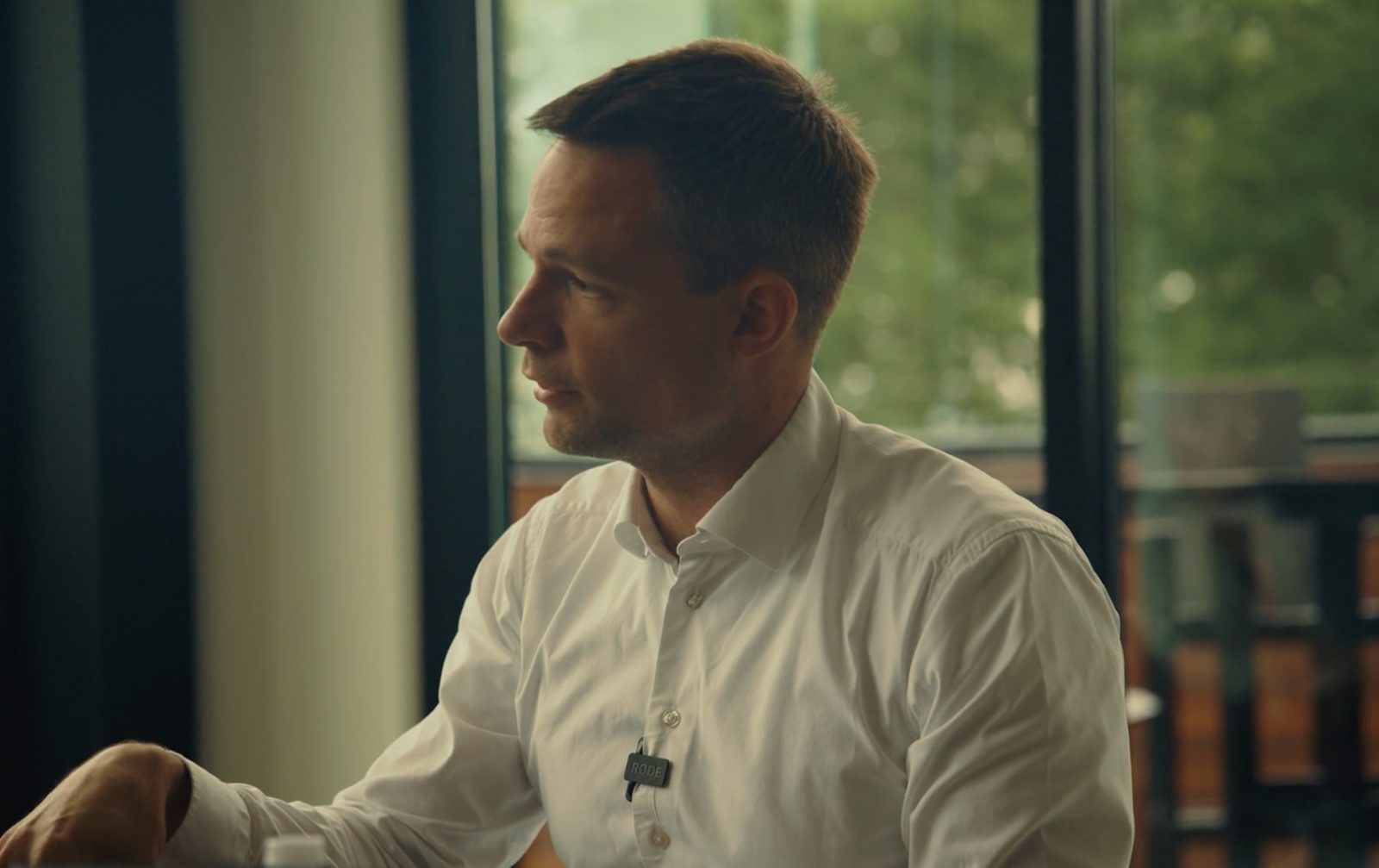
That's the case Mike Schroeder, Founder and President of Roundstone, makes in this conversation with Nicholas Syhler, co-founder and co-CEO of Embla. Roundstone runs a group medical captive for small and midsize self-funded employers, so it sees the long-term cost of poor health up close.
Key takeaways
- Judge obesity care by long-term workforce health, not short-term weight loss.
- Most of what poor health costs an employer shows up as lost productivity at work, not in medical claims.
- A health culture starts with leaders: what they say, what they fund and what they model.
Live Well is a business value, not a perk
Roundstone runs on four core values, and the first is Live Well: looking after mind, body and spirit, and bringing that energy to work. Mike's reasoning is practical. People can only bring their best to colleagues, customers and partners if they take care of themselves first.
He puts it into practice in an unusual way. "I'm one of those strange CEOs that stands up at a company meeting and says, I want you to take your PTO," he says. "I know you'll rejuvenate and you'll come back healthier."
The cost that never shows up on the claims report
Mike sees obesity through the same lens. Whether it's driven by stress, emotional challenges or nutrition, it weighs on how people feel and how they work. That's why he frames obesity care as a performance question: it gives workers "stronger performance," and "every business out there is about customers."
The research backs him up. A Duke study in the Journal of Occupational and Environmental Medicine put the cost of obesity among US full-time employees at $73.1 billion a year. The largest share wasn't medical bills or sick days. It was presenteeism: people at work but performing below their usual capacity. That made up 56% of the cost for women and 68% for men. The dollar figures date from 2010, but the pattern is the point: most of the cost sits outside the claims report.
Short-term weight loss is the wrong scorecard
If the value is a healthier workforce over years, then a program that produces fast weight loss and then loses people is a weak investment. In Prime Therapeutics' real-world data, only 8% of people who started a GLP-1 for obesity were still taking it three years later. In the STEP 1 trial extension, people who stopped semaglutide and the lifestyle program around it regained two-thirds of the weight they had lost within a year.
A long-term scorecard asks different questions: are people still engaged, are habits holding, and is there a plan for life after the weight comes off? That's why Embla builds in coaching from day one and a structured taper instead of an open-ended prescription. We cover the cost side in weight regain after stopping GLP-1s.
Culture shows up in the work
Nicholas shared something the Embla team noticed while working with Roundstone: its people come across as calm and unstressed, yet they get things done. Mike's answer: "Maybe that's because of that calm, effective, healthy, living well people."
His closing point is the one employers should take into their next renewal. "If they're not healthy, trust me, it won't be long before your business is not healthy."
Three questions for your next benefits review
- Are we judging our obesity benefit on weight lost this year, or on whether people are healthier in three years?
- Does the program have a plan for after the weight comes off, or does it assume medication forever?
- Do our leaders model the health culture we're paying for?
For the numbers behind the first question, see how to measure the ROI of a weight loss benefit. For what to ask vendors, use our vendor evaluation guide.
Healthy people, healthy business
Obesity care pays off the way Mike describes Live Well: slowly, then visibly, in people who show up with more energy for colleagues and customers. Employers who measure it that way make better decisions about what to cover and what to expect.
Want to see this in practice? Get the case study: how one self-funded employer cut GLP-1 costs by 65% in ten months.

Latest Articles

Related Articles




Ready to take control of GLP-1 spend?
Let’s talk about how Embla can reduce costs and improve health outcomes across your employee population.