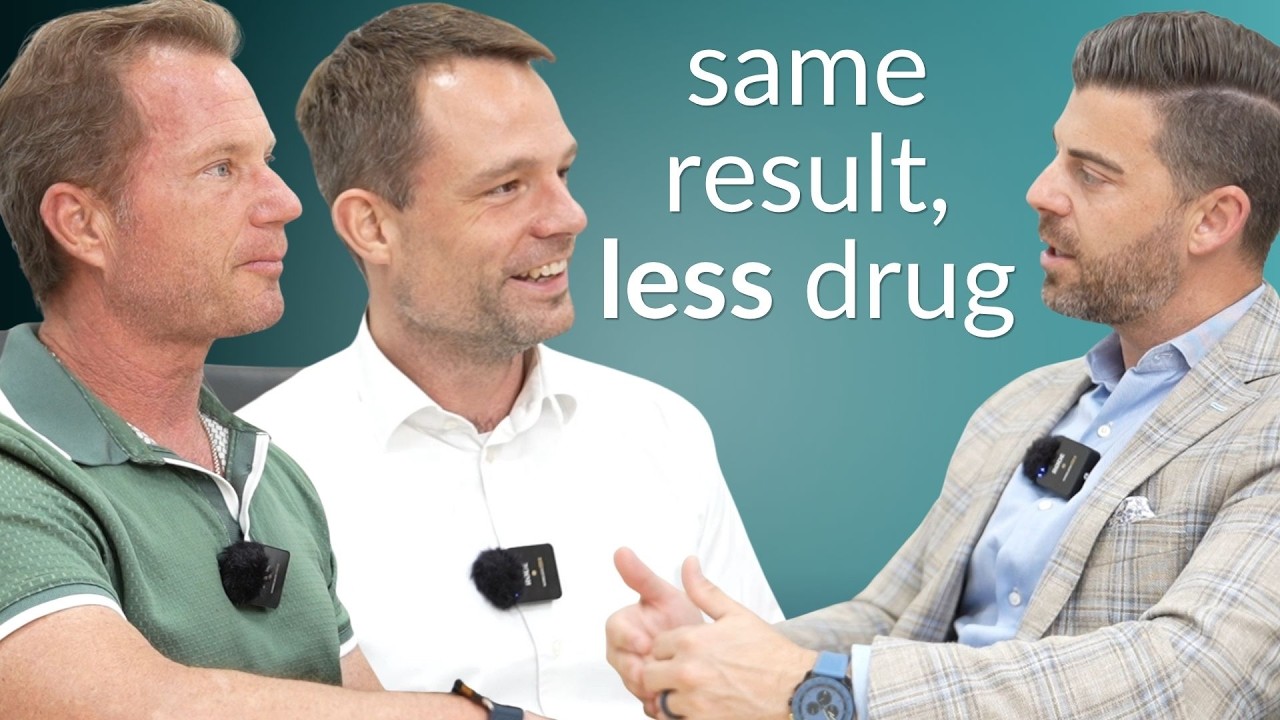
Most GLP-1 coverage starts with a prescription and adds support around it, if at all. The label says it should be the other way around: GLP-1s are meant to be used alongside lifestyle change, not instead of it. "It was never meant to replace them," says Nicholas Syhler.
In this episode of Self-Funded with Spencer, host Spencer Smith sits down with Nicholas, co-founder and co-CEO of Embla and a former cardiology resident and global innovation lead at Novo Nordisk, and Paul Elsass, who leads Embla's US business development. They cover what behavior-first care actually looks like, why lower doses matter, and what it takes for an employer to roll it out.
Key takeaways
- Lead with the coach, not the script. The behavioral program goes first and medication supports it.
- The goal is to turn hunger down, not off. Members need some hunger left to learn how to manage it.
- One price per engaged member, medication included, puts the medication risk on the vendor instead of the employer.
The drug is not the hero
Most of the market is clinician-led, Nicholas says: a prescription first, with a coach or an app as the sidekick. Embla flips that. Every member meets a health coach first, and an independent licensed clinician works behind the coach on medication.
Paul puts it plainly. "The drug is not the hero. You're the hero." Members often describe constant "food chatter." The aim is not to silence it with the highest dose possible. It is to turn the volume down, then teach people what to do when it comes back.
Why eat less, move more doesn't work
Spencer asks what behavior change actually means. Nicholas starts with what doesn't work. "If you're living with obesity and you're told you should eat less and move more and count calories, it just doesn't work."
Instead, coaches look at why people eat and move the way they do. Nicholas names three areas that come up most:
- Food quality. Basic education on ultra-processed foods, which he says Embla underestimated when it came to the US.
- Emotional eating. Using food to cope with stress at work or at home, and building other ways to cope.
- Identity. Using Acceptance and Commitment Therapy to find a long-term reason to live healthy, beyond a wedding or a beach trip.
Embla's coaches are National Board Certified Health Coaches, with psychologists and nutritionists behind the course design. Nicholas is direct about why the coaches are not dietitians: food is only one part of a complicated picture.
Lower doses, slower loss, more muscle kept
Nicholas explains that Embla started using lower doses in Denmark after seeing members lose weight too fast. He points to a target of one to two pounds a week. Losing weight more slowly helps preserve muscle, which supports metabolism after medication. He also notes that clinical trials show fewer side effects at lower doses.
In practice, independent licensed clinicians can keep members on a starting dose for longer instead of escalating every month. In Embla's published TRIM study, participants averaged 16.7% weight loss over 64 weeks while using 55% less GLP-1 medication. See the TRIM study page and how the low-dose model works.
Protecting muscle also takes resistance training and enough protein, and coaches track both. Tapering is planned from the start: it begins at month 16 and runs over about 12 weeks. More in our guide to GLP-1 tapering.
One price, everything included
Nicholas describes the tension many employers feel. The CFO sees GLP-1 costs on the P&L and wants them gone. HR knows employees want coverage. Embla's answer is a fixed fee per engaged member that includes coaching, clinical care through independent licensed clinicians, and medication. Embla prices on the assumption that it can use less medication, so if a member needs more, that cost is Embla's to carry.
Paul adds that this keeps incentives honest. "If we have to use more drug for someone, that's on us. We have to own that."
What a rollout looks like
Spencer asks for the mechanics. Paul keeps it short. The employer shares an eligibility file. Employees get an email or postcard with a QR code to a landing page. From there they book a first call with a coach and download the app.
The coach and member set goals together, and medication is optional. If it looks like a fit, the member books an online consultation with a clinician through the app. Members already on a GLP-1 for diabetes start where they are, and any dose change comes later, once a clinician has reviewed how they're doing.
Behind the coaching, Embla's AI follows up between sessions. Paul's example: if a coach assigned breathing exercises for sleep, the app checks in the next day and offers a reconnect with the coach if they didn't happen.
Three questions for your next renewal
- In our current GLP-1 coverage, does the member meet a coach before they get a prescription?
- Does our vendor lose money when doses go up, or make more?
- Do we track body composition and muscle, or only pounds lost?
For the full set of questions, use our vendor evaluation guide. For the evidence on coaching, see GLP-1 coaching vs GLP-1 alone.
Self-funded employers can lead the way
Nicholas closes on why he wanted to work with self-funded employers in the first place. On the consumer side, people chase the highest dose as fast as possible. Through a health plan, coverage can be tied to a real behavioral program, and that can change the culture around weight loss. Paul's closing point: don't lose sight of the whole person. The goal is not just more years, but better ones.
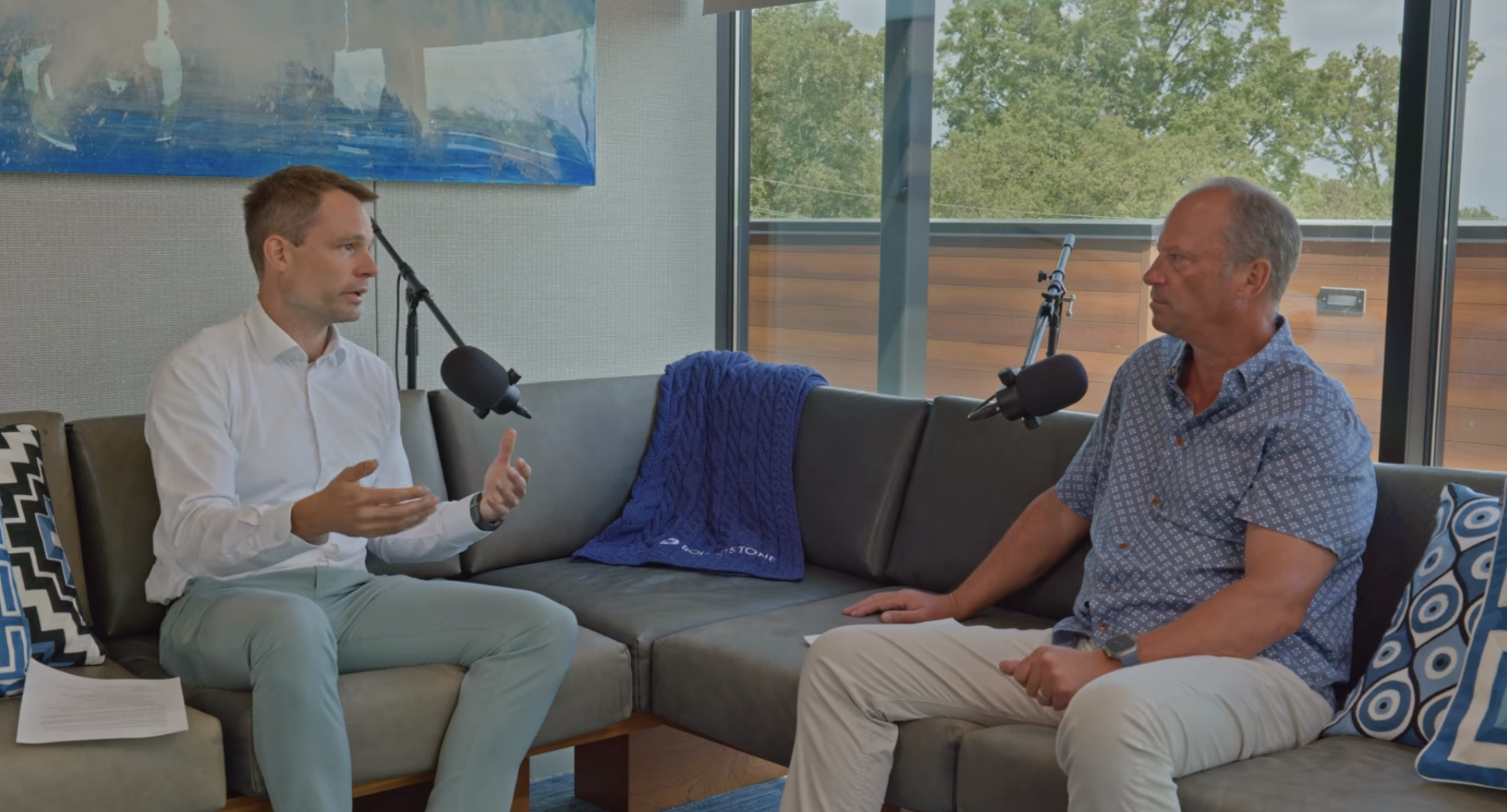
Nicholas also sat down with Roundstone's Mike Schroeder to talk about controlling GLP-1 costs without losing outcomes.
Want to see this in practice? Get the case study: how one self-funded employer cut GLP-1 costs by 65% in ten months.

Latest Articles
Related Articles




Ready to take control of GLP-1 spend?
Let’s talk about how Embla can reduce costs and improve health outcomes across your employee population.