GLP-1 medications work. In trials they produce double-digit weight loss. In the real world, most people stop taking them, and most of the weight comes back when they do. That gap isn't a drug problem. It's a system problem: the clinician, the carrier and the employer each own a different part of the journey, and they don't always want the same thing.
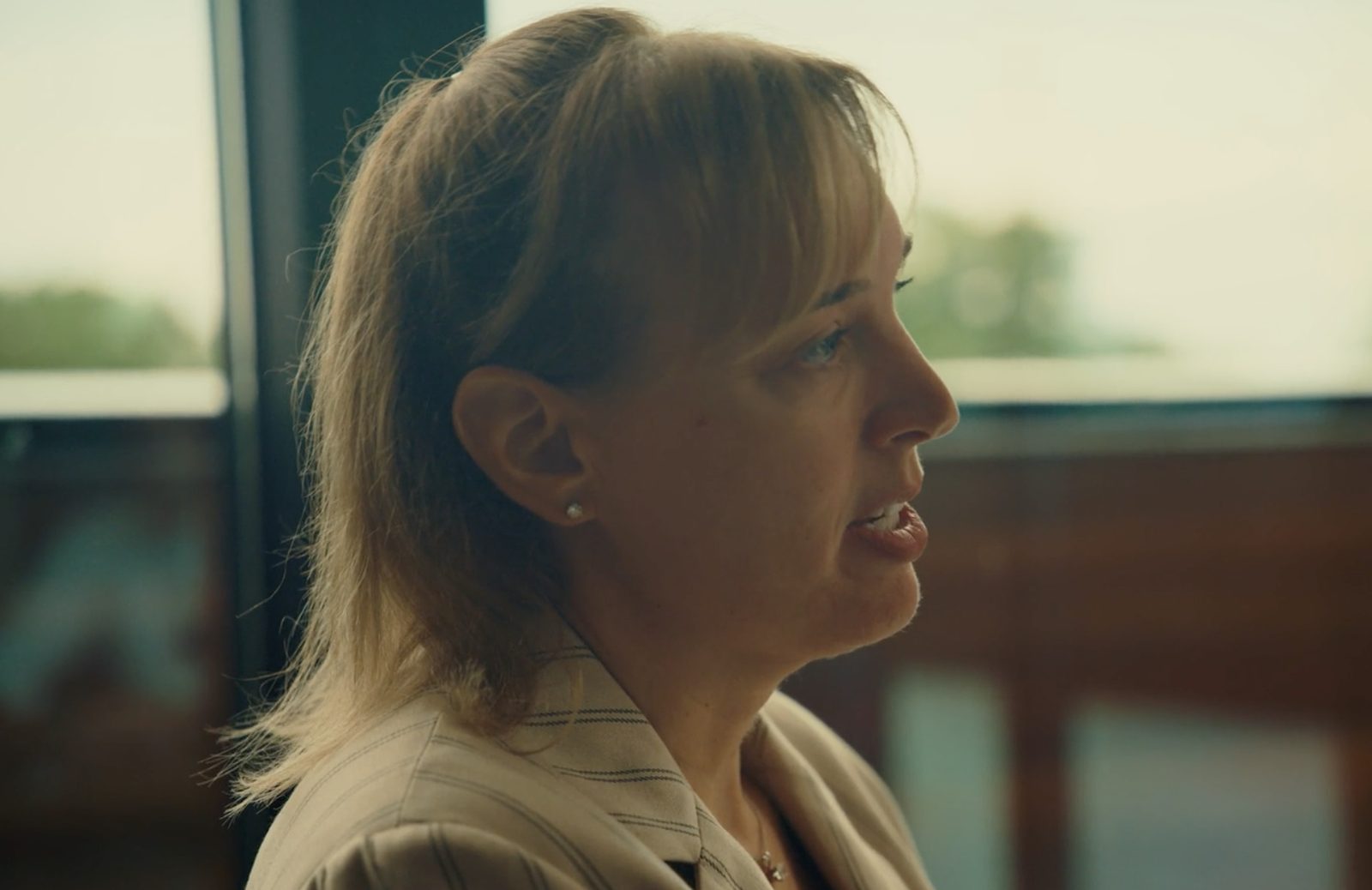
That's the subject of this conversation between Beth Snyder, Chief Innovation Officer at Roundstone, and Nicholas Syhler, co-founder and co-CEO of Embla. Roundstone runs a group medical captive that lets small and midsize employers self-fund their health plans and get back the claims dollars they don't spend, so alignment with the employer is built into its model.
Key takeaways
- GLP-1 results last only when the clinician, the carrier and the employer pull in the same direction.
- The first prescription sets the frame. If the medication is presented as the whole solution, that story is hard to change later.
- Carriers and employers need support in place for the whole journey, plus a fulfillment channel that keeps medication costs in check.
Why GLP-1 results don't last: the incentive problem
"The different players in the healthcare ecosystem are not always aligned," Beth says. "They have different incentives."
The data shows what that costs. Prime Therapeutics followed commercially insured adults without diabetes who started a GLP-1 for obesity. Only 8% were still taking it three years later. That group started treatment in 2021 and early 2022, when drugs were in short supply, and one-year persistence has improved since: 63% of people who started Wegovy or Zepbound in early 2024 were still on therapy a year later. The long-term drop-off is still steep.
Stopping has a price. In the STEP 1 trial extension, people who stopped semaglutide, along with the lifestyle program that came with it, regained two-thirds of the weight they had lost within a year. Most of their cardiometabolic improvements drifted back toward baseline too.
For an employer, that combination is the worst case: paying for months of medication, then losing most of the result. We cover the plan-cost side in weight regain after stopping GLP-1s.
Roundstone's answer is alignment. "Only when all of the players are aligned are you able to achieve lower costs and higher outcomes," Beth says.
Step 1: The clinician sets the frame at the first prescription
The clinician is the first point of contact and the most trusted voice in the process. That makes them responsible for the message that comes with the prescription. In Beth's words: "This will help, but you need to address these other things as well."
Nicholas sees the same pattern from Embla's side. "If it has been framed, when they got the first script, as something I get easily and should just inject, it's really hard to change that narrative." A clinician who presents the medication as a tool for changing habits and health sets "a completely different frame."
That framing isn't optional. Wegovy is FDA-approved for use in combination with a reduced-calorie diet and increased physical activity. Employers are starting to hold plans to it. In KFF's 2026 Employer Health Benefits Survey, 40% of large firms that cover GLP-1s for weight loss require enrollees to meet with a dietitian, case manager or therapist, or to join a lifestyle program. Among firms with 5,000 or more workers, it's 59%.
Step 2: Carriers and employers build the support around it
A good first conversation fades if nothing follows it. The rest of the system "needs to have the infrastructure in place to properly support it," Beth says: "tools, programs, a fully managed solution" that enables proper care "throughout the entire journey."
In practice, that infrastructure covers four things:
- Behavioral coaching that continues between prescriptions, not a one-time onboarding call.
- Ongoing contact with a licensed clinician who adjusts the dose based on progress and side effects.
- A plan for what happens after the weight comes off: lower maintenance doses or a structured taper, not an open-ended prescription at the maximum dose.
- One record where coaching, clinical and pharmacy data meet, so nobody is guessing.
This is also where incentives get concrete. A vendor paid per prescription, or a pharmacy paid per fill, earns more when members use more medication. Embla's pricing works the other way: a fixed fee per engaged member that includes the medication, so Embla carries the medication risk and is paid to keep doses at the lowest effective level. In Embla's own peer-reviewed TRIM study, members reached 16.7% average weight loss over 64 weeks on less than half the standard maximum semaglutide dose.
Step 3: Send the prescription to the right place
The last link is fulfillment. "If the script goes to the right fulfillment channel that enables lower-cost access to the medication, you're controlling the cost at that step while also providing the proper care to get to the long-term outcomes for the member," Beth says.
That's the employer's lever, and the market is moving under it. KFF's 2026 survey notes that lower prices through direct-to-consumer arrangements may push employers to keep adapting their coverage, and 12% of large firms that don't cover GLP-1s for weight loss stopped covering them in the past year. If your PBM is the only route you've considered, read whether you can offer GLP-1 coverage without your PBM.
Five questions to ask before you cover GLP-1s or renew
Each question maps to one of the steps above:
- How is the medication framed at the first prescription, and who delivers that message?
- What support do members get between prescriptions, and for how long?
- Is there a plan to lower doses or taper, or does the program assume indefinite maximum dosing?
- Where are prescriptions filled, and who captures the price difference?
- Does your vendor earn more when members use more medication, or less?
If a vendor can't answer the last question cleanly, the incentives aren't aligned. Our vendor evaluation guide goes deeper. For self-funded employers, a carve-out benefit is one way to cover all five outside your existing plan design.
The drug isn't the weak link
GLP-1s do their job. The system around them decides whether the results last, and every party in it owns a piece. Line up the first conversation, the ongoing support and the fulfillment channel, and the medication can finally deliver what employers are paying for.
Want to see this in practice? Get the case study: how one self-funded employer cut GLP-1 costs by 65% in ten months.

Latest Articles

Related Articles




Ready to take control of GLP-1 spend?
Let’s talk about how Embla can reduce costs and improve health outcomes across your employee population.