Our peer-reviewed research shows you don't need high GLP-1 doses to achieve lasting weight loss.

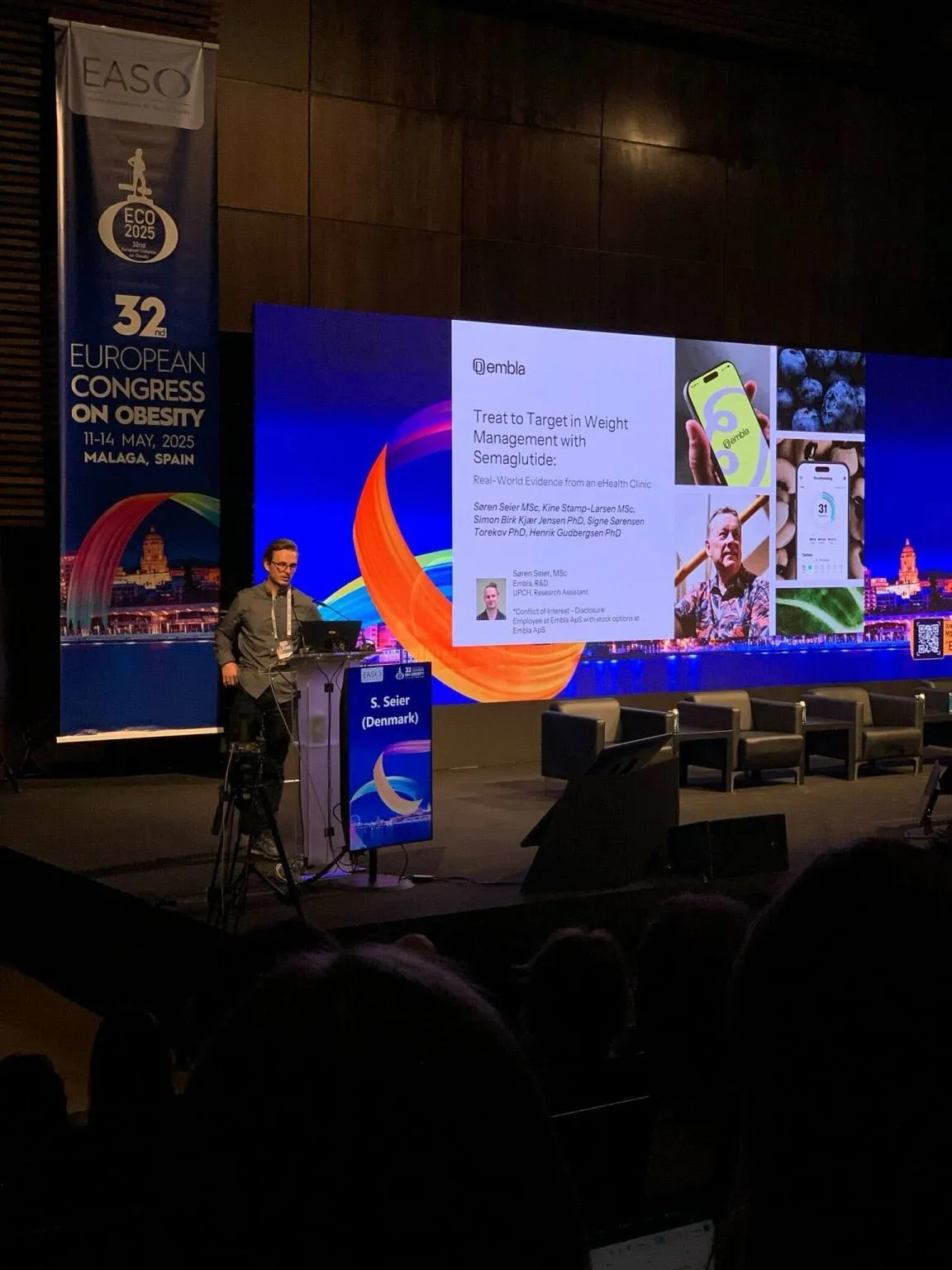
Most GLP-1 programs escalate to the maximum dose as fast as the label allows. The TRIM study asked a different question: what happens when you pair low-dose GLP-1s with intensive behavioral coaching, personalized titration, and structured tapering? The short answer: comparable outcomes to the largest randomized controlled trials, with less than half the medication.
Seier et al., Diabetes, Obesity and Metabolism, 2025
Average weight loss
Over 64 weeks, across all BMI classes
Average weekly dose
Less than half the standard maximum
Tapered or stopped GLP-1s
No average weight regain post-taper
Clinically significant
85.3% lost 10%+. 51% lost 15%+.
The STEP program is the gold standard for semaglutide outcomes. TRIM achieved comparable weight loss with a fundamentally different approach.
86-90% of participants titrated to maximum dose
Participants stayed on maximum dose throughout the trial
Standard counseling alongside medication
Less than half the standard maximum. Only 28.8% titrated above 1 mg
Structured tapering from month 16. No average weight regain.
1:1 coaching via app. CBT, ACT, personalized nutrition, and exercise.
Henrik Gudbergsen (Chief Medical Officer) and Søren Seier (lead author) walk through the TRIM study findings and what they mean for the future of weight care.
The TRIM study isn't just clinical research. It's the evidence base behind every Embla program.
55% less GLP-1 medication per member. Not because treatment is rationed, but because behavioral coaching reduces the dose members need to maintain their results.
78.5% of members tapered or stopped GLP-1s with no average weight regain. The behavioral foundation means results don't depend on indefinite prescribing.
Treat-to-target dosing and structured tapering means medication costs go down over time, not up. Every member has a deprescribing plan from day one.
Henrik Gudbergsen joins Ana Reisdorf on the GLP-1 Hub podcast to discuss personalized dosing, what Embla's data shows about tapering, and why behavioral support changes the medication equation.
"Medication opens the door, but the engagement in lifestyle and the habits that we work with are what keeps the weight off over time."
All medical services are provided by a licensed medical practice independent of Embla Health US Inc. Embla Health US Inc. is not a medical provider and does not practice medicine. Medical services are provided by licensed healthcare professionals who are licensed to practice in the patient's state. Availability of services may vary by jurisdiction. A licensed clinician will independently evaluate eligibility for any medical treatment. Not all patients will qualify. Treatment decisions are made solely by the patient's licensed provider. Medical consultations are conducted via telehealth by state-licensed providers. Telehealth services may not be available in all states and are subject to applicable state telehealth regulations.