Low-dose GLP-1 care,
built to taper
Targeted prescribing. Lower doses. Real outcomes that last.

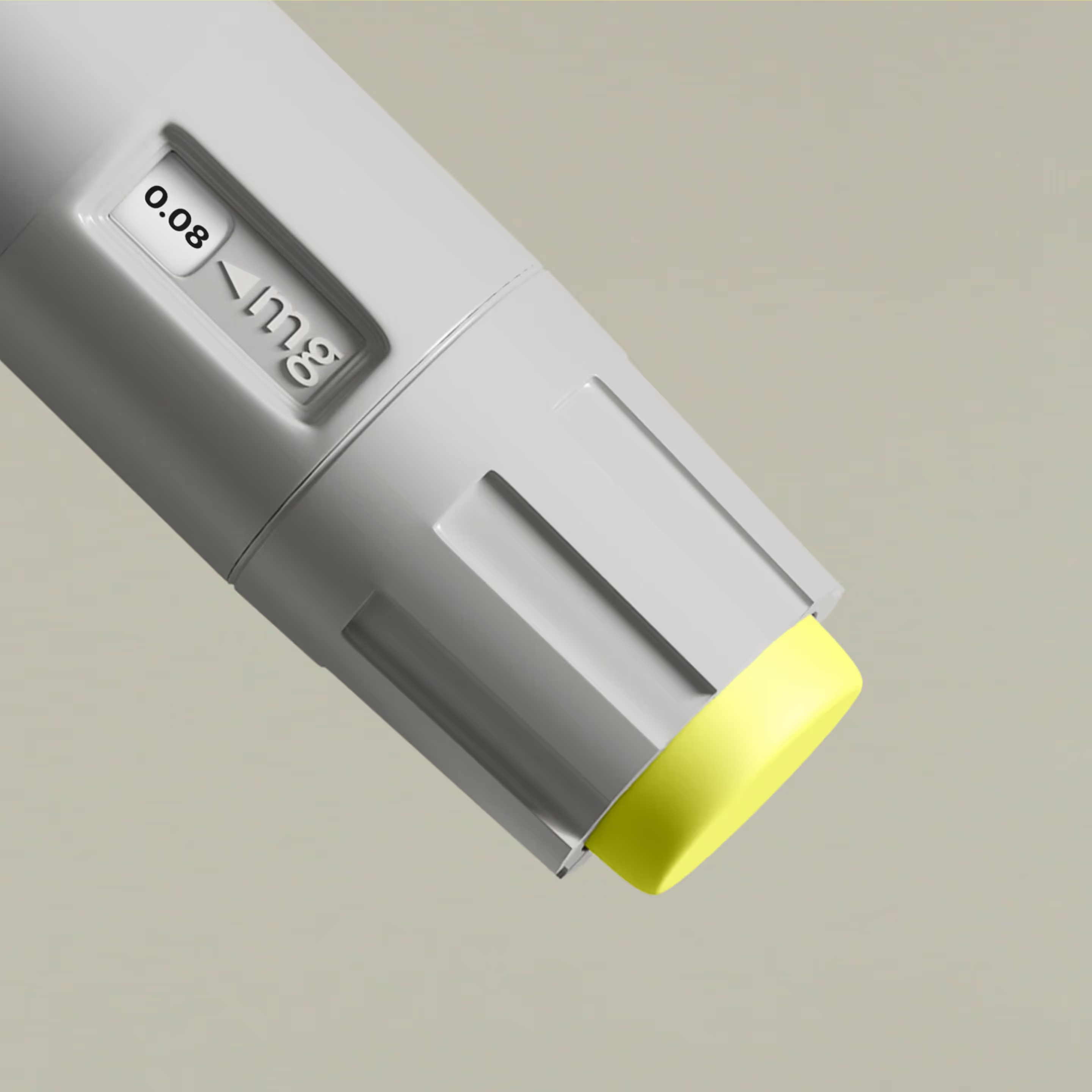
Most GLP-1 programs are built to escalate
The typical model is simple: get a prescription, escalate to max dose, stay there forever. With minimal support on the side.
Excessive dose escalation
Faster isn’t better. High doses increase cost and side effects without necessarily improving outcomes.
No behavioral foundation
Medication without coaching leads to drop-off, plateaus, and dependency.
No plan to taper
Most vendors have no off-ramp, which means that members stay on the drug indefinitely.
Behavior is the foundation. Medication is the amplifier.
We don’t offer GLP-1s as a standalone benefit. Every prescription is delivered within a structured, coach-led care model because behavior change is what makes outcomes stick.
We call it treat-to-target: conservative, coordinated, and designed to taper.
How our GLP-1 model differs

1. Medication never stands alone
Embla is not a medication-first model. GLP-1s are only available as part of the full program, where coaching, care from independent licensed clinicians, and behavior change run in parallel from day one.
Members start 1:1 coaching immediately. A personalized behavior plan is in place before the first dose. There is no version of Embla where medication runs solo. Coaching isn't an add-on. It's what makes outcomes sustainable and tapering possible.
2. Doses go up slowly, and only when needed
No racing to the maximum dose. Independent licensed clinicians base dose decisions on weight loss pace, hunger levels, and tolerability, not a default escalation schedule.
Median dose at week 64: 1.08 mg/week. (semaglutide). 71.2% of members stay at or below 1 mg. Escalation only happens when it's clinically necessary, and always in coordination with the member's coach.


3. Coaches and clinicians work as one team
Because coaching, prescribing by independent licensed clinicians, and monitoring all run on one platform, care doesn't fragment.
Our Emblazer clinical platform gives every clinician full visibility into weight trends, engagement patterns, satiety cues, and side effects, so medication and coaching decisions are always informed by the same picture.
4. Tapering is the plan, not the exception
Most GLP-1 programs aren't built to taper. Embla is built around it.
From enrollment, we're already planning the exit ramp.
A structured taper begins at month 16 and runs over 12 weeks, for members who have sustained behavior change and are stable at a lower dose. 78.5% successfully taper or stop medication, with no average weight regain.

Results that speak for themselves
Our peer-reviewed TRIM (treat-to-target) study, published in Diabetes, Obesity and Metabolism and one of the largest real-world GLP-1 studies to date, validated the model:
How it works

Flexible delivery, always coaching-led
Embla never offers medication alone. Prescribing by independent licensed clinicians, coaching, and care protocols run as one seamless experience.
Fully managed
We provide coaching, care coordination, tapering support, and real-time reporting. Independent licensed clinicians handle prescribing and clinical oversight.
Shared delivery
Your clinicians prescribe. We power the behavioral engine: coaching, coordination, and protocol enforcement.

Want to see our GLP-1 model in action?
We'll walk you through exactly how Embla delivers lower-dose, behavior-led, fully managed GLP-1 care, and how it compares with traditional models.