TRIM is a peer-reviewed, 2,694-person real-world study of Embla's model. Members achieved outcomes comparable to the landmark GLP-1 trials — while using less than half the medication. For self-funded plans, that's a fundamentally different cost curve.



Most GLP-1 programs titrate every member to the maximum dose and keep them there indefinitely. TRIM tested a different hypothesis: that intensive behavioral care — ACT-based coaching, personalized dose titration, and a structured tapering protocol — could match RCT outcomes at a fraction of the cumulative medication.
The result changes the GLP-1 math for self-funded plans. Lower doses. Fewer members on medication long-term. Comparable clinical outcomes.
Everyone who enrolled in Embla's program on or before March 2024 — 2,694 adults with a BMI over 30 or over 27 with a comorbidity like prediabetes or hypertension. No exclusions by weight, comorbidity profile, or prior GLP-1 use.
Low-dose semaglutide titrated to each member's weight-loss rate (not a fixed escalation schedule), plus structured behavioral care: 1:1 coaching, CBT and ACT-based techniques, and daily app support from nurses, coaches, and prescribing physicians.
Weight change at 64 weeks, the cumulative amount of semaglutide used, the proportion of members hitting 5%, 10%, 15%, and 20% weight-loss milestones, and how many members successfully tapered off medication.
Peer-reviewed statistical methods designed for real-world cohort data, with additional analyses checking whether outcomes varied by baseline BMI or how much medication members actually used. They didn't.
Members lost an average of 16.7% of their body weight at 64 weeks — in line with the landmark GLP-1 trials. 85% of members lost at least 10%. This isn't a watered-down version of GLP-1 care; it's the same clinical result.
Fewer than 30% of TRIM members titrated above 1 mg per week. In the landmark trials, 86–90% were dosed to the 2.4 mg maximum. Same outcomes, dramatically lower per-member drug cost.
The majority of members came off GLP-1s without regaining weight — turning what most programs treat as a lifelong prescription into a finite course of treatment. This is the single largest lever on long-term pharmacy spend.
Outcomes didn't meaningfully vary by starting BMI, age, or dose. The model works for a broad employee base — not just a narrow, high-BMI slice that would force you into tight eligibility rules.
STEP 1 is the randomized controlled trial Novo Nordisk ran to get Wegovy approved — the clinical gold-standard benchmark for GLP-1 outcomes. Wondr Health is the most widely offered digital behavioral weight program among US employers — the benchmark for coaching-only care. TRIM sits between them, using both.
| Metric | TRIM (Embla) | STEP 1 — RCT | Wondr Health — RWE |
|---|---|---|---|
| Weight loss | −16.7% | −14.9 to −16.0% | −3.5% (average) |
| Average GLP-1 dose | 1.08 mg/week | 2.4 mg/week | No medication |
| Reached max dose | 28.8% | 86–90% | — |
| Behavioral support | Intensive CBT, ACT, app-based | In-clinic lifestyle support | Video curriculum + coaching |
| Tapering protocol | Yes — 78.5% successful | Not part of protocol | Not applicable |
| Setting | Real-world, n = 2,694 | Controlled trial | Real-world |
Søren Seier and Dr. Henrik Gudbergsen — first and senior authors on the TRIM study — on what Embla's team found when they combined personalized low-dose semaglutide with structured behavioral care, and what it means for how GLP-1 benefits should be designed.
Full study: Treat to Target in Weight Management with Semaglutide: Real-World Evidence from an eHealth Clinic — Seier S, Stamp-Larsen K, Jensen SBK, Torekov SS, Gudbergsen H. Published in Diabetes, Obesity and Metabolism, September 2025.
"Combining intensive behavioral intervention with an e-health weight management clinic reproduced results we see in confirmatory trials — in a real-world cohort, with far less medication used."
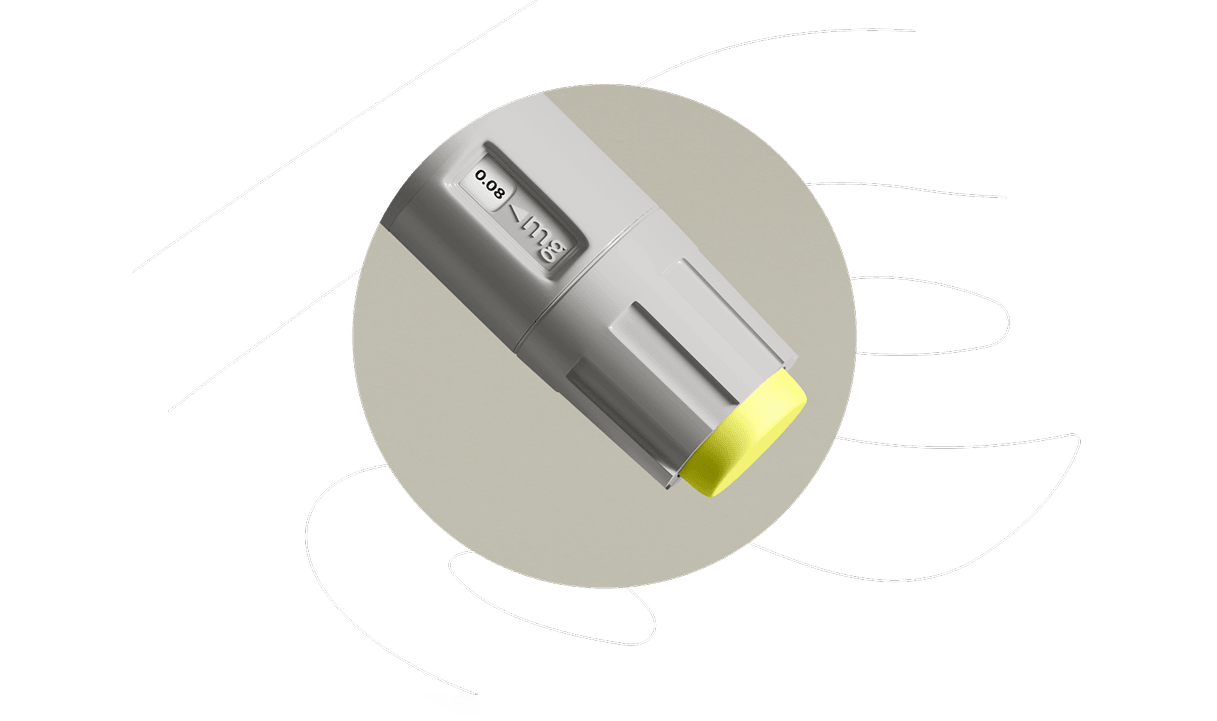
Your plan pays for less than half the semaglutide — per member, per week — compared to a standard titration protocol. Over a full year of treatment, the delta compounds.

Most GLP-1 programs assume members stay on medication forever. TRIM showed 78.5% of members can taper off successfully — converting an open-ended liability into a finite course of treatment.

Outcomes held steady regardless of starting BMI, age, or dose level. You don't need strict eligibility rules or exclusions to control cost — the model does that on its own.
Most GLP-1 programs drive up costs. This playbook shows the employer path to sustainable coverage — based on one of the largest real-world GLP-1 studies to date.

A 16-page evidence brief written for benefits leaders and brokers evaluating GLP-1 strategy — the study, the numbers, and a clear path to offering GLP-1 coverage without the runaway cost.

In 30 minutes, our team will show you projected GLP-1 spend, eligible population size, and a year-one outcomes estimate — modeled against your current plan. No PBM integration, no claims feed, no implementation fees.

